One thing that many parents see me about is the high levels of anxiety their child or young person is experiencing, whether this is at meal times, getting ready for going to school or going to social events.
However, in some cases, it is not the fact that the child or young person has anxiety because of these situations, but it is because the parent has not set any boundaries or disciplined their child. By discipline, I do not mean harming your child in any way, but setting a framework for them to know when to stop pushing and when no means no.
Children need boundaries to feel a sense of security and safety. Some children will continue to push so that they can establish where the boundaries are. If they continue to push and push but notice that their parent doesn’t do anything or change the way they speak to them, then that shows the child that there will be no consequences to their actions and that they can continue to do whatever they want.
In a recent study, it showed that children who have been disciplined, or who are aware of the boundaries and the consequences that will arise if they overstep the boundary, feel more loved than those whose parents just let them do as they please without any consequences. In my Fairford Leys therapy clinic, I often tell parents to be persistent in the consequences that they are enforcing. This, in turn, shows the child that they can only get away with so much before the consequences of their actions come into play.
Without this framework in place, children will start to lose that sense of safety and security and, in turn, that can affect their relationship with their parent as time goes on. Parents need to be able to ‘out persist’ them and show them that they are the adult and what they say goes. For example, think back to when your child was learning to walk. You didn’t give up on them, but you continued to encourage them and you gave them the confidence to get up on their feet and walk towards you. You persisted with them until they were able to walk toward you and then you rewarded them for being able to walk those 5 or 6 steps towards you.
I always tell parents who come to see me that the best way to enforce these boundaries is to explain it to the child before the event. You, as the parent, must be as direct as possible. The child must be able to understand that if they behave in a certain way there will be consequences. Boundaries come into play here, as the child is aware of how far they can get before they are overstepping that boundary.
It takes, on average 21 days for a habit to embed in our brain. This means that you must persist with boundary setting and consequences for 21 days. You must stick to this for the full 21 days or it will take you longer. If you give in on day 19 then you must go right back to day 1 for a habit to be created. This will ensure that the boundaries are stuck in the child’s brain and eventually will become part of the routine. Do not worry if it takes you longer than 21 days but does ensure you are persistent with it and do not give up.
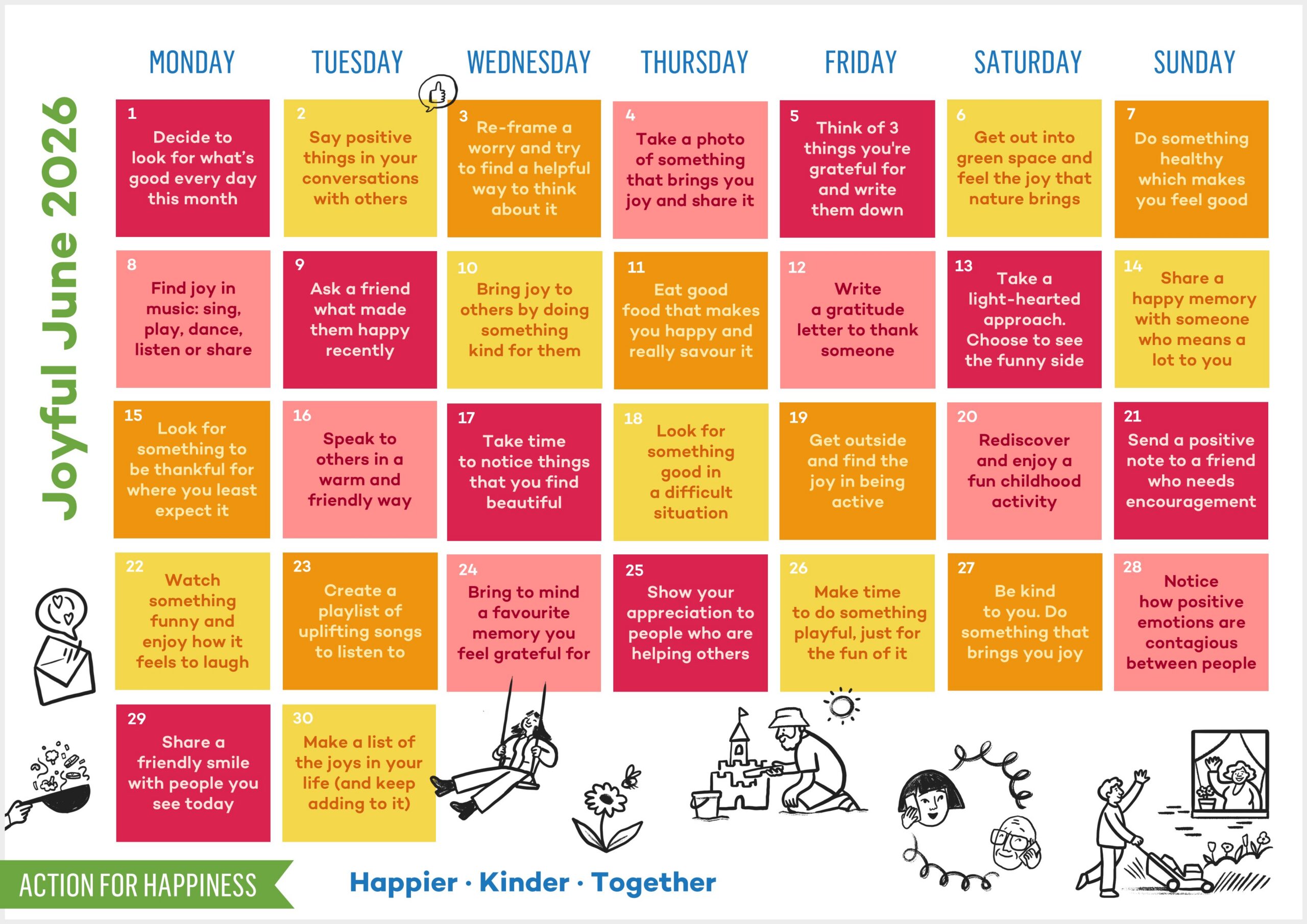
What Makes You Happy?
I think that we should all do more of what makes us happy. This sounds way too simple so we’re going to explore that figure out whether it really is as easy as it seems, or if there’s a bit more to it.
There are a couple of points around this that spring to mind that I think are perhaps a bit deceiving.
Firstly, I think there is an implication in saying something like ‘do more of what makes you happy’ which makes it sound so easy to do and straightforward that you feel like an idiot to not have done that already. The truth is that it is simple but it isn’t easy. Let me explain: the idea that doing more of what makes you happy is going to bring a better quality of life to you makes sense, and actually doing those things is relatively straightforward too. What isn’t easy is negotiating within yourself about how it is that you might instigate that, and all of the things that you might need to give up on instead.
Newsflash! Happiness is going to take a little bit of effort and it is going to necessitate that you dedicate some time to it. If this is something that you really want to get better at, something that really triggered your mind into action when you see a saccharine sign that says ‘do more of what makes you happy’ then there has to be a modicum of work involved. That statement alone doesn’t sound like there’s any effort required; it actually sounds like it’s quite a sweet, easy–going, take your cake and eat it kind of statement. ‘Just do more of what makes you happy’
There’s a really important and powerful word in there that tells you that this is not necessarily going to be without effort on your part in order to achieve the happiness that you desire, and that all-important word included on that poster is the word DO. There is going to be some doing on your part in order to achieve the happiness that you wish to achieve. If you are doing more of what makes you happy the word doing is telling you that you’re going to have to do something – maybe planning, maybe putting in some effort here, maybe doing something repeatedly and with persistence in order to get the happiness that you crave.
The very first thing that you’re going to need to do in the doing of more of what makes you happy is to give yourself time to figure out what it is that makes you happy. You might have some ideas but if you don’t sit down and give yourself time to really plan it then, for one thing, you might not know all of the things that can make you happy; maybe there are some other little ideas that have been bubbling away but yet to the surface which you don’t get time to shine a light on and pay attention to. If you did then you might realise that actually there are more things in life that could make me so much happier, and if you were to do those things as well then your quality of life could improve drastically. But first – you’re going to need to give yourself some headspace to figure out what those things actually are.
For some people they’ve got so out of the swing of communicating with themselves that even haven’t given themselves the time to sit down and think about ‘what would make me happy? Let me ask myself that question’. When they ask it there’s nothing there – they don’t even get a response from themselves – so in that situation, in order to figure out what it is that would make you happy you have to work backwards! Instead of thinking about what it is that you should be doing to achieve the happiness you need to think about the end result that that happiness would bring for you. For example, alongside happiness how else might you be feeling? Maybe you can think about the end feeling that you want to get towards alongside happiness. Perhaps having that happiness would lead you to have something materialistic, maybe it’s a new relationship, maybe it’s more money. You need to think ‘if that’s what I want to get what do I need to be doing to get myself there?’
Once you have that answer then you can start to specify what the process is going to be to lead you toward those things that will cause you to be happier. Are you going to choose the right things immediately? – probably not. The chances are you’re going to find that you test a few things out and not all of them work for you. You’ll have to maintain an attitude of curiosity – you have to be open-minded and be comfortable with the idea that you might end up testing out several failed ideas in order to establish what it is that actually makes you happy.
The final important thing to consider is what you might have to compromise on. It sounds simple to compromise things in order to become happy but you’d be surprised how challenging that can be for some people (and by some people I also include myself!) For the last few years I have worked tirelessly to get my business to where it is today, and in the last few years it’s become even more challenging due to some difficult family circumstances. However, in spite of the increasing demands that have occurred in that time for my family I’ve continued to work 9:00 to 6:00 Monday to Friday. Now there are things that I want to be doing – I want to be able to exercise more and I want to be able to get adequate sleep at night – those things make me happy too, and I would really like to fit more of those into my routine. I’ve had to re-evaluate how it is that my day-to-day life is mapping out because if I want to do more of what makes me happy then as much as I’d like to believe that I can squeeze it in around all of my other commitments – the truth is that I can’t. So something will have to give a little.
So, to summarise, first we need to figure out what is it that makes us happy and to do that we might need to spend some time thinking about it – we might want to think about how we want to be feeling as well as happy, who we want to be with, where we want to be or what material things or products or people need to be around us for us to feel that sense of happiness. We need to establish that happiness is something that we do. There is a process behind this, there are actual physical steps that we will need to be taking so what are they and how do we get to them? You may need to block out some time just to do that thinking part and commit further time into doing the things that make you happy so that you can reach the happiness on the other side. And finally, we may need to compromise. There are probably going to be other things that we have to give up in order to get time to do more of the things that make us happy.
If you can do all of those things then you have a good chance of achieving that wonderful blissful state of happiness!
By Gemma Bailey